
Best games I played in 2025
As another year comes to a close, it’s once again time to reflect on the games I played this year. No doubt 2025 was a big year for gaming, including universally-acclaimed games such as Blue Prince, Clair Obscur: Expedition 33, and the long-awaited Hollow Knight: Silksong. This year also saw both the unveiling and release of Nintendo’s newest console, the Nintendo Switch 2, as well as several surprising exclusive games for the new console. And much like last year, I’d also like to dive into a few games I played this year that didn’t necessarily come out this year. Let’s begin!
Donkey Kong Bananza
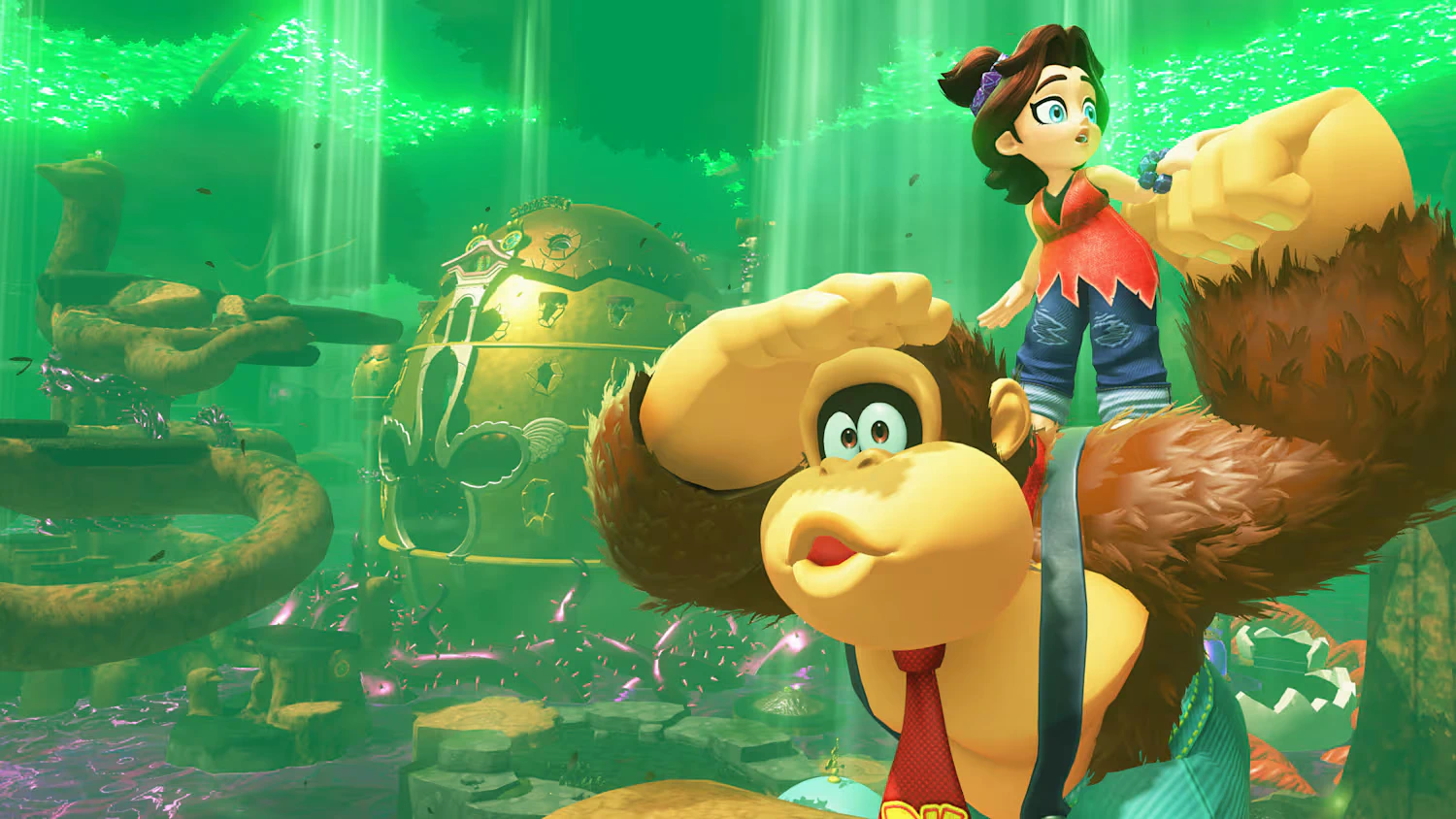
Normally publishers announce their flagship games a year or more in advance. This gives consumers time to prepare their wallets and build excitement. However, this year Nintendo chose to keep its cards close to its chest until they were ready to be played. A preview of Mario Kart World was shown in January as part of the Switch 2’s grand unveiling, but none of the console’s games were formally announced until April. It’s strange to think that in 2024 we had no reason to expect a new Donkey Kong game in 2025 (the last original Donkey Kong game released in 2014), yet Nintendo dropped their biggest single-player game of the year in July with just three months’ notice. An unusual move to be sure, and there’s no denying the announcement and subsequent release of Donkey Kong Bananza caught the whole gaming world off guard.
Donkey Kong Bananza is only the second time the titular ape has had a 3D adventure, but it bears far more similarity to 2017’s Super Mario Odyssey than 1999’s Donkey Kong 64. DK moves through the levels with the level of fluidity we’ve come to expect from post-Odyssey 3D platformers, but the marquee feature this time around is the destructible terrain. DK can use his fists to punch straight through most walls and floors, opening up new routes for navigating the game’s massive levels. When I first heard about the game’s terraforming features, I was skeptical that it would either end up as a gimmick with no real usefulness, or an overpowered tool to bypass any sort of platforming challenges. I’m delighted to say that neither is the case: large portions of levels are open to creating new shortcuts, but the developers have strategically placed indestructible and unclimbable walls to prevent the player from skipping platforming altogether. The game often has you ripping through its levels in creative ways, like creating a path for ice cubes to make a snow cone, or digging up salt to throw at toxic slugs. The game is surprisingly long for a 3D platformer, but each new level manages to keep the gameplay fresh. Bananza is a great example of the holy grail of game design: it establishes a simple and novel main mechanic and thoroughly explores its applications until it’s completely exhausted, without itself becoming exhausting.
It’s quite hard for me to find any substantial flaws with Bananza. The gameplay, graphics, soundtrack, and story all delivered more than I expected. It also featured some delightful nods to older Donkey Kong games while also establishing its own identity in the franchise. It’s clear it’s been cooking for a long time, and the developers managed to fit in everything they wanted to without any noticeable compromises. It’s a beefy game, and if you’re craving more, the DLC adds a roguelike mode that easily adds another dozen or so hours to your playtime. It genuinely excites me that today’s kids get to play this game and have it capture their imagination like many Gamecube-era games did for me. With any luck, Donkey Kong Bananza will be a big inspiration for the next generation of game developers.
Moon: Remix RPG Adventure
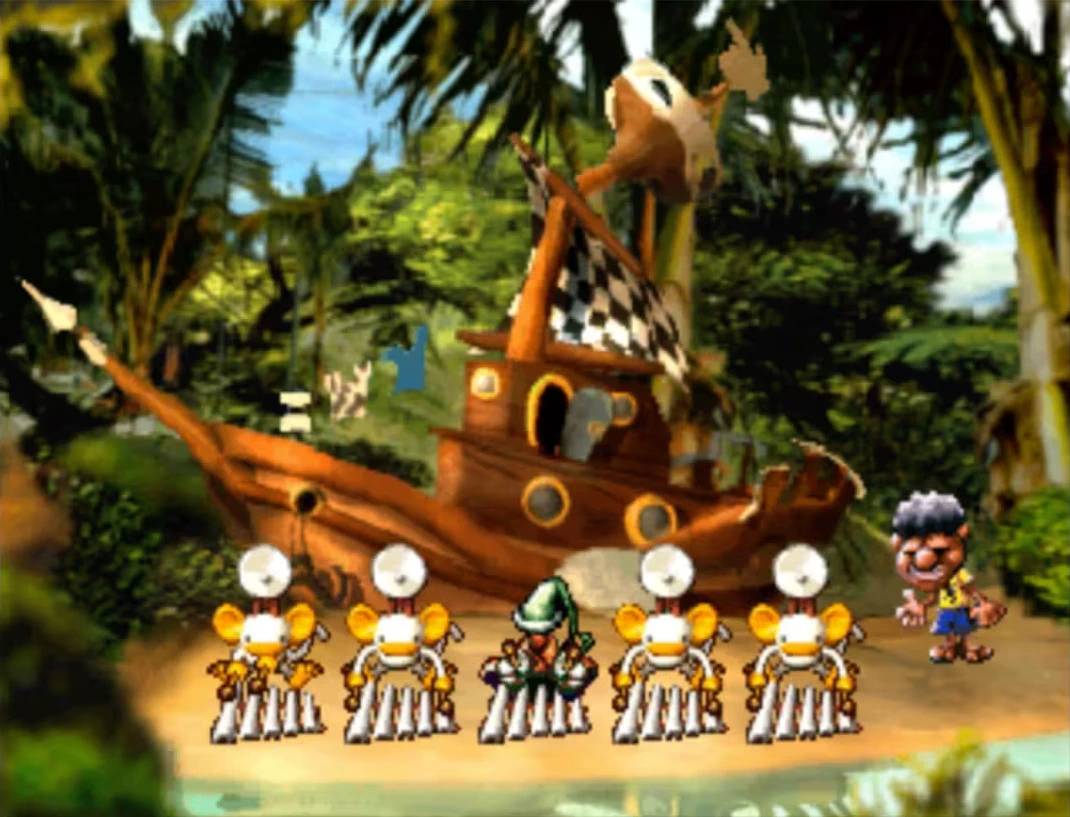
Where do I even begin with Moon? I could ramble about this game for days on end. It’s probably the one game that’s inspired me the most as a game designer. I honestly think it’s one of the most important works to come out of the medium of video games.
Let’s start with the basics: Moon: Remix RPG Adventure originally released exclusively in Japan for the original PlayStation in 1997. It was released in English for the first time in 2020 for the Nintendo Switch, and then came to Steam in 2021. It’s often described as an “anti-RPG,” since its premise involves subverting the tropes and mechanics common to the JRPGs of the 16-bit era. It begins with you playing a fictional JPRG called “Moon” that features your typical knight in shining armor going about slaying monsters and finding treasure. The player then gets transported into the game world, but as an ordinary citizen. You quickly learn that the so-called “hero” is causing all sorts of problems and nobody in town actually likes that guy. While the hero roams the world leaving a path of destruction in his wake, your task is to find Love, either by helping the people of Moon with their problems or finding the lost souls of the “monsters” the hero has slain. There’s no combat; just exploration and puzzle-solving, akin to a point-and-click adventure.
If it wasn’t obvious from the opening paragraph of this section, I love Moon. I decided to play it again this year to preempt the release of Stray Children, a spiritual successor to Moon made by the same studio that localized the game into English. Though I had played Moon a bit in 2020, my 2025 playthrough was the first time I reached the credits. It’s a delightful game, sometimes silly, sometimes poignant, and delivers a powerful message in the end. It’s a tour de force designed by Kenichi Nishi (Chibi-Robo!), Taro Kudo (Freshly-Picked Tingle’s Rosy Rupeeland), and Yoshiro Kimura (Rule of Rose). I need no convincing that video games are art, but for any doubters out there, I submit Moon: Remix RPG Adventure for your consideration.
Umamusume: Pretty Derby
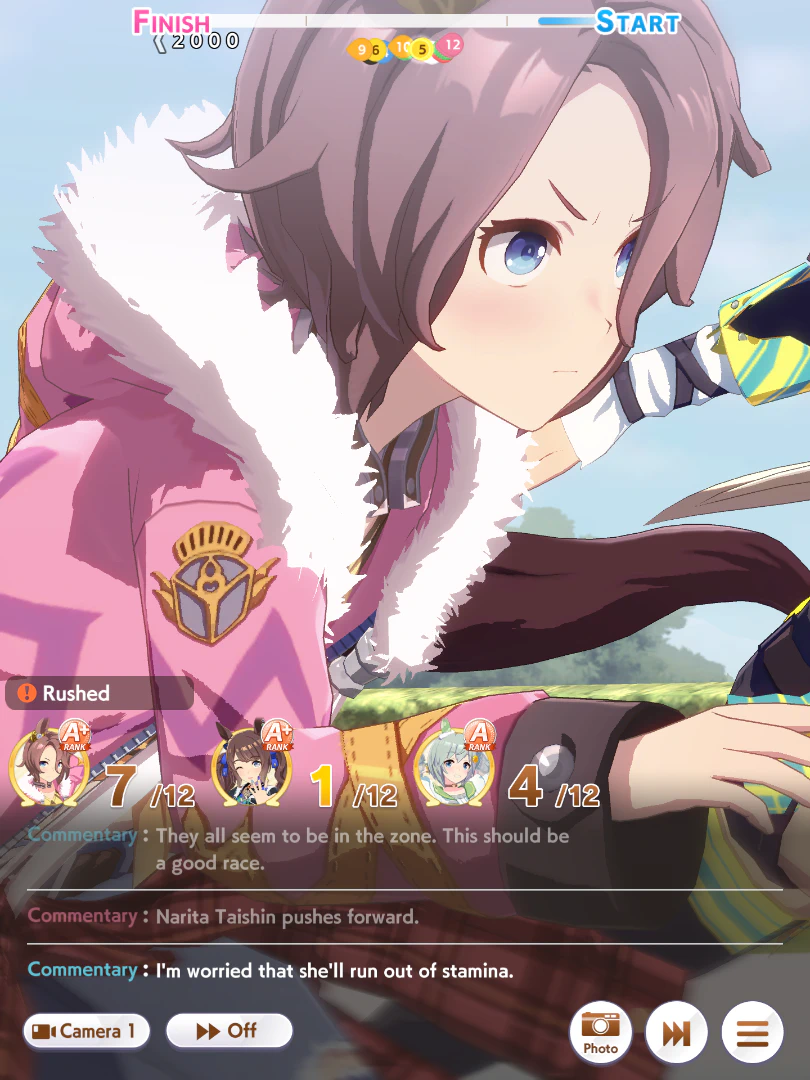
Another year, another gacha game sneaks onto the end-of-year list. It would be dishonest of me to exclude it, however: though it only released in June, Steam says I’ve played Umamusume: Pretty Derby for over 270 hours (and in the spirit of honesty, I’ve spent far more time playing it on my phone). To call it an obsession might be a bit of an understatement. When the game first released in Japan in 2021, I was impressed by the game’s presentation and was hopeful it would eventually be released in English. After three years of no news, my hopes faded. So then imagine my surprise when, in 2024, they at last announced an English version was on the way, and a year later it was released. I was eager to finally give it a try, but I must admit it hooked me far harder than I expected.
Unfortunately for me, this is the part where I have to explain the premise of the game. Well, let’s just say it’s a game about training famous thoroughbred racehorses from Japan’s history. Except the horses were reincarnated as anime girls. (Yes, even the male horses.) Though it’s certainly an eyebrow-raising scenario, the concept of anthropomorphizing animals and objects as anime girls is nothing new (Kemono Friends, Kantai Collection, Azur Lane, to name a few), and I make no secret about my proclivity for anime girls. And although I had no interest in thoroughbred horseracing prior to Umamusume, I must admit it’s a fascinating world with some genuinely interesting stories to tell.
As far as gameplay goes, it’s a bit similar to “raising” games like Monster Rancher and Princess Maker. At the beginning of a playthrough, you choose an Umamusume (literally “horse girl”) to train for three in-game years. The game plays out over two-week “turns” where you can assign your Umamusume different kinds of training to raise her stats, or have her participate in races to gain fans. Many outcomes are random (your trainee can choose to play hooky, for example), and you have no agency during races: all you can do is hope her stats and skills are good enough to win the race. Each Umamusume also has their own story to tell (loosely based on their real-life counterpart), some of which are actually quite interesting. Once her career is over, you can use your “veteran” Umamusume to compete against other players’ trainees. It’s an addicting (albeit sometimes frustrating) gameplay loop that rewards trying out different strategies (and getting lucky), and with them releasing 5-6 new Umamusume every month, I suspect I’ll still be playing throughout 2026.
Bulk Slash
ME: Read the entire Sega Saturn catalog to me, Jevee.
MY TRUSTED BUTLER JEVEE: Well sir, first of all, there’s Bulk Slash, in which you drive a mech with your anime girlfriend,
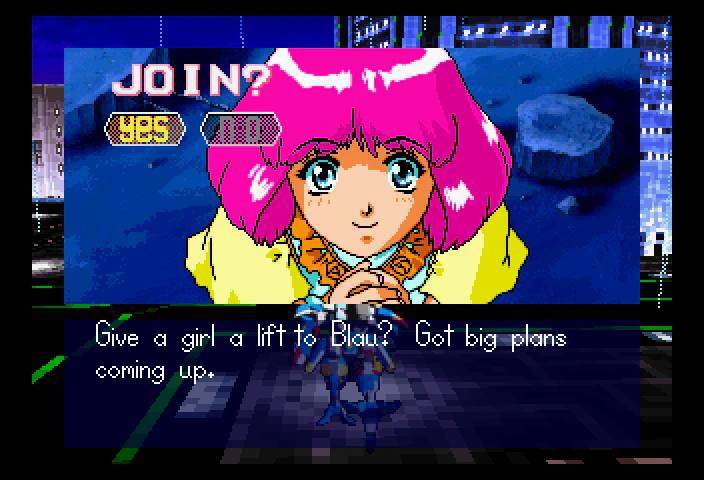
Obviously it took little convincing to get me to play Bulk Slash, a mech-action game for the Sega Saturn released in 1997 exclusively in Japan. There’s also a fan-made English patch (complete with English voice acting!) available, which I highly recommend. In case Jevee’s description of the game was insufficient: Bulk Slash is an action game in which you pilot a mech equipped with guns, bombs, and a laser sword. The game is structured like an arcade game, with seven stages to play through (each with a different objective) and the main goal being to set a high score. What makes the game unique is the “Manageable Intelligent Support System,” or “M.I.S.S.” for short. Each stage has an anime girl hidden somewhere in it, and if you find them, they will offer to join you as your “M.I.S.S.” (essentially a navigator). Each girl has a unique personality (such as the cutesy idol Lira Hart, the prim-and-proper Metical Flair, and the no-nonsense Naira Savage) that comes across in their comms. Playing with each girl raises your bond with them, which in turn changes their dialog and improves their navigation skills (e.g. switching from simple left/right guidance to using clock directions). If your bond is good enough by the time the credits roll, you’ll even get a fully-animated epilogue unique to each girl.
Bulk Slash is a straightforward game that I enjoyed in a straightforward way. The gameplay was a ton of fun, and I wanted to keep re-playing it to get all the different endings. I mastered the game on RetroAchievements (becoming only the fourth person to do so), and even went as far as to write a script to extract the M.I.S.S. portraits and submit them to The Spriters Resource. What can I say: I came because the premise appealed to my tastes, I stayed because the game was far better than I expected. Although I’ve grinded out every accomplishment the game can offer, I’ll probably return some day just for the fun of it.
Kirby Air Riders
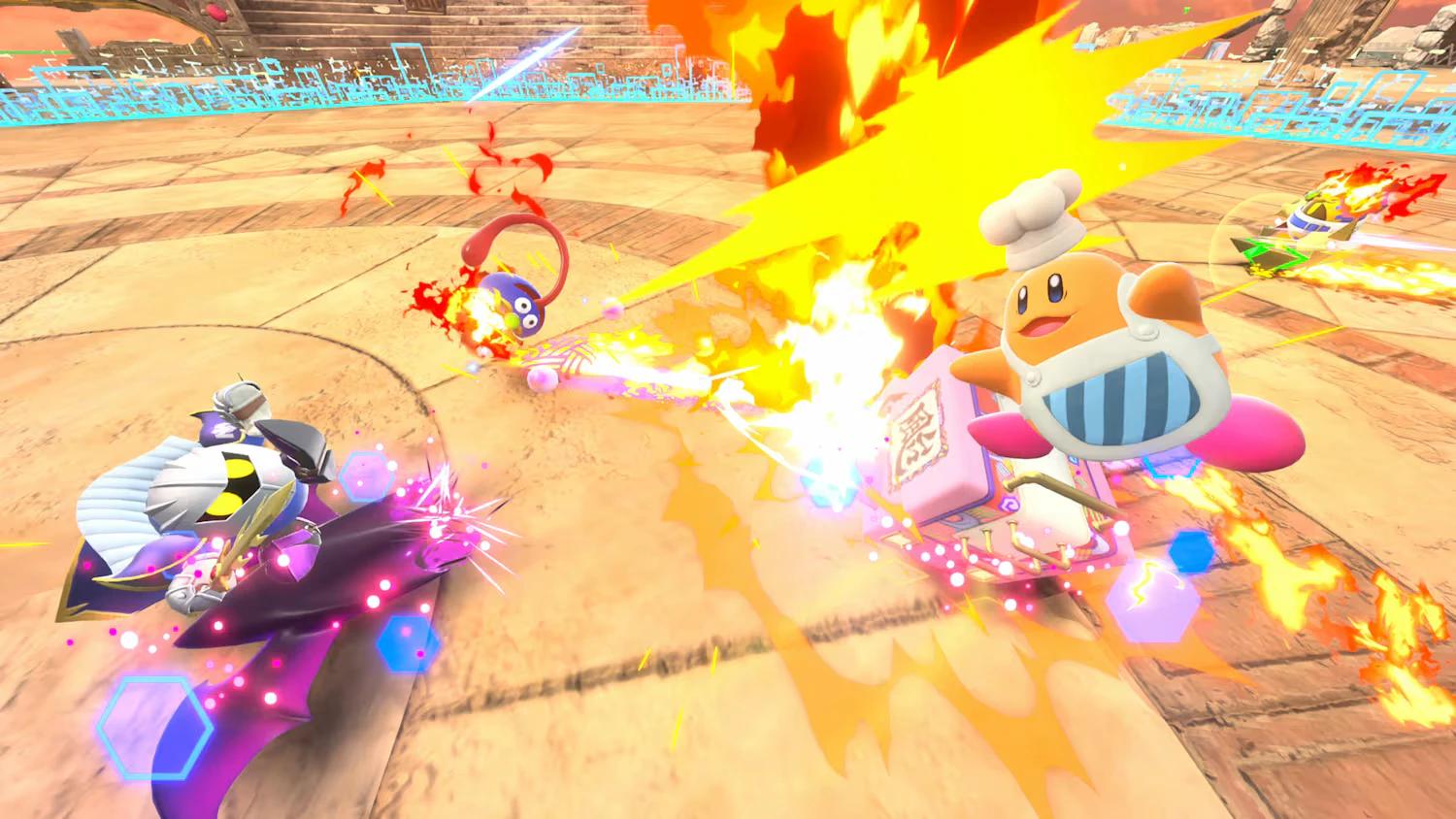
As I mentioned in the Donkey Kong Bananza section, every major Switch 2 exclusive that launched this year came as a surprise. Perhaps the biggest surprise of all, however, was that of Kirby Air Riders: a follow-up to the 2003 GameCube classic Kirby Air Ride, complete with the same director. I already wrote about Air Riders extensively pre-release, so I’ll keep this section brief. It’s a perfect sequel: it understands what made the original so great, and piles on a ton more content on top. The mechanics are easy to pick up, but provide a ton of nuance to make the journey to mastery a long one. It’s a sizeable package too, and will easily keep Air Ride fans entertained for at least another 22 years.
Yes, a great follow-up to a beloved older game is a rare sight, and perhaps only comes around once in a generation…
Fantasy Life i: The Girl Who Steals Time
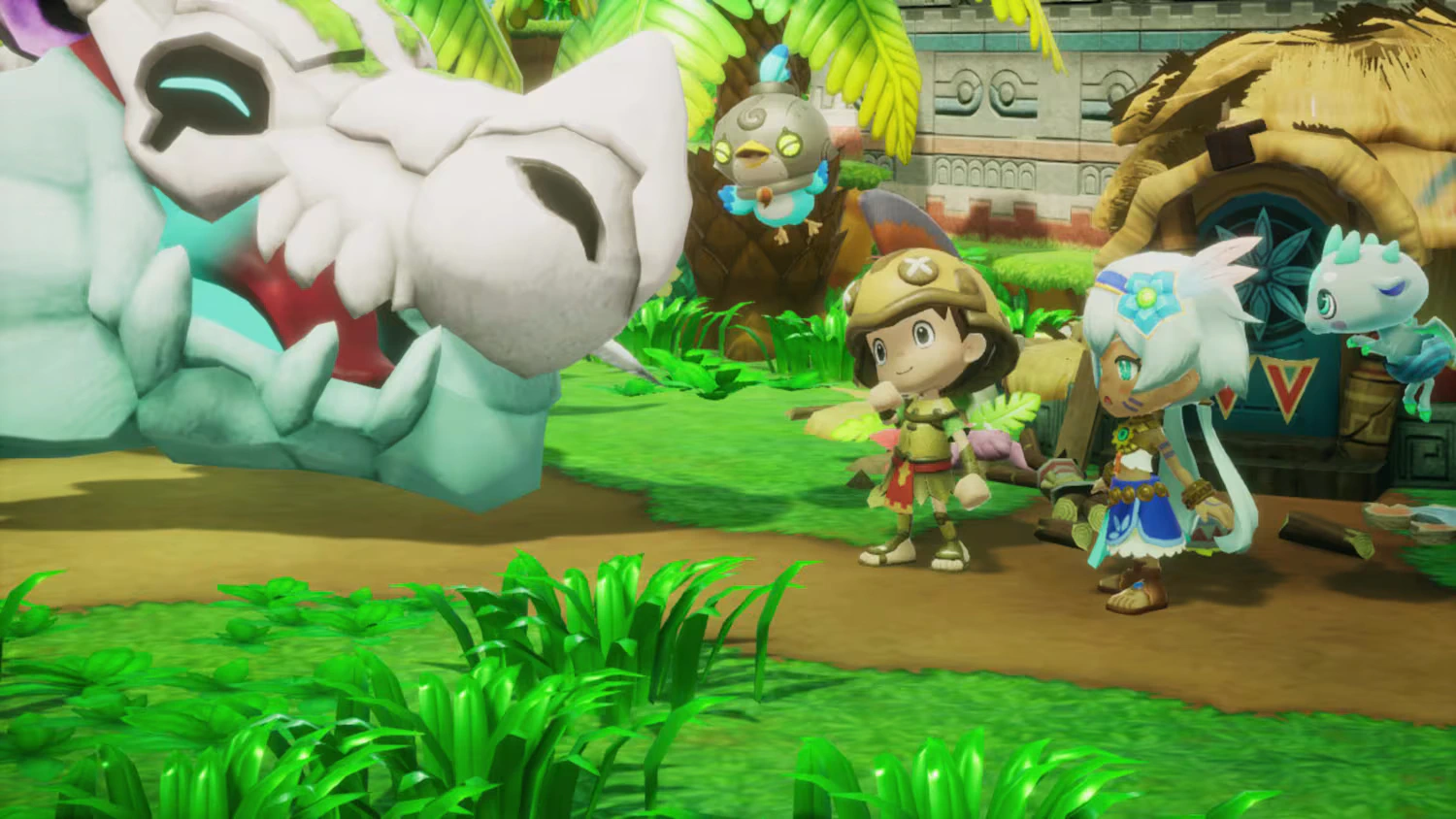
…Except it happened twice this year. While the gap between 2012’s Fantasy Life (2014 outside of Japan) and the new Fantasy Life i: The Girl Who Steals Time isn’t as big as Kirby Air Ride’s 22 years, 13 years is still nothing to sneeze at. Fantasy Life released on the 3DS while I was in college, and I was obsessed. It delivered a combination of slow-life activities, such as fishing or home decorating, with typical RPG adventuring, including quests, dungeons, and a save-the-world plot, all with a Nobuo Uematsu soundtrack to boot. It never took itself too seriously, and with a cast of endearing characters and some genuinely challenging optional objectives, it was my go-to time sink for a long time. Though it never quite hit mainstream success, it was very popular with its crowd, and I fully expected it to kick off a franchise of similar games.
But they never came.
Fast-forward to 2023, when Fantasy Life i: The Girl Who Steals Time was announced: I couldn’t believe it! I had thought Fantasy Life was all but forgotten. I had even started to wonder if I imagined the whole game in the first place. I was excited. But, over time, that excitement waned. The game was delayed from 2023 to 2024, and then again to 2025. The game was being produced by Keiji Inafune (yes, the Mighty No. 9 guy), and after he abruptly exited the company in 2024, the game received a “massive overhaul” due to “harsh” feedback. All signs pointed to a troubled development cycle, which often shows in the resultant product.
But not this time. As with Kirby Air Riders, Fantasy Life i: The Girl Who Steals Time is what I would call a perfect sequel. Everything I loved about the original is back, including the laid-back lifestyle tasks, invigorating dungeon dives, and another interesting-but-not-super-serious plot. Even Uematsu’s soundtrack is back, and hearing remastered versions of songs from the original definitely brought a smile to my face. There’s something uniquely satisfying about an old favorite game finally getting the follow-up it deserves. And since Fantasy Life i just recently surpassed 1.5 million sales and got a big free DLC, perhaps I won’t have to wait another 11 years to revisit Reveria.
Last year’s predictions
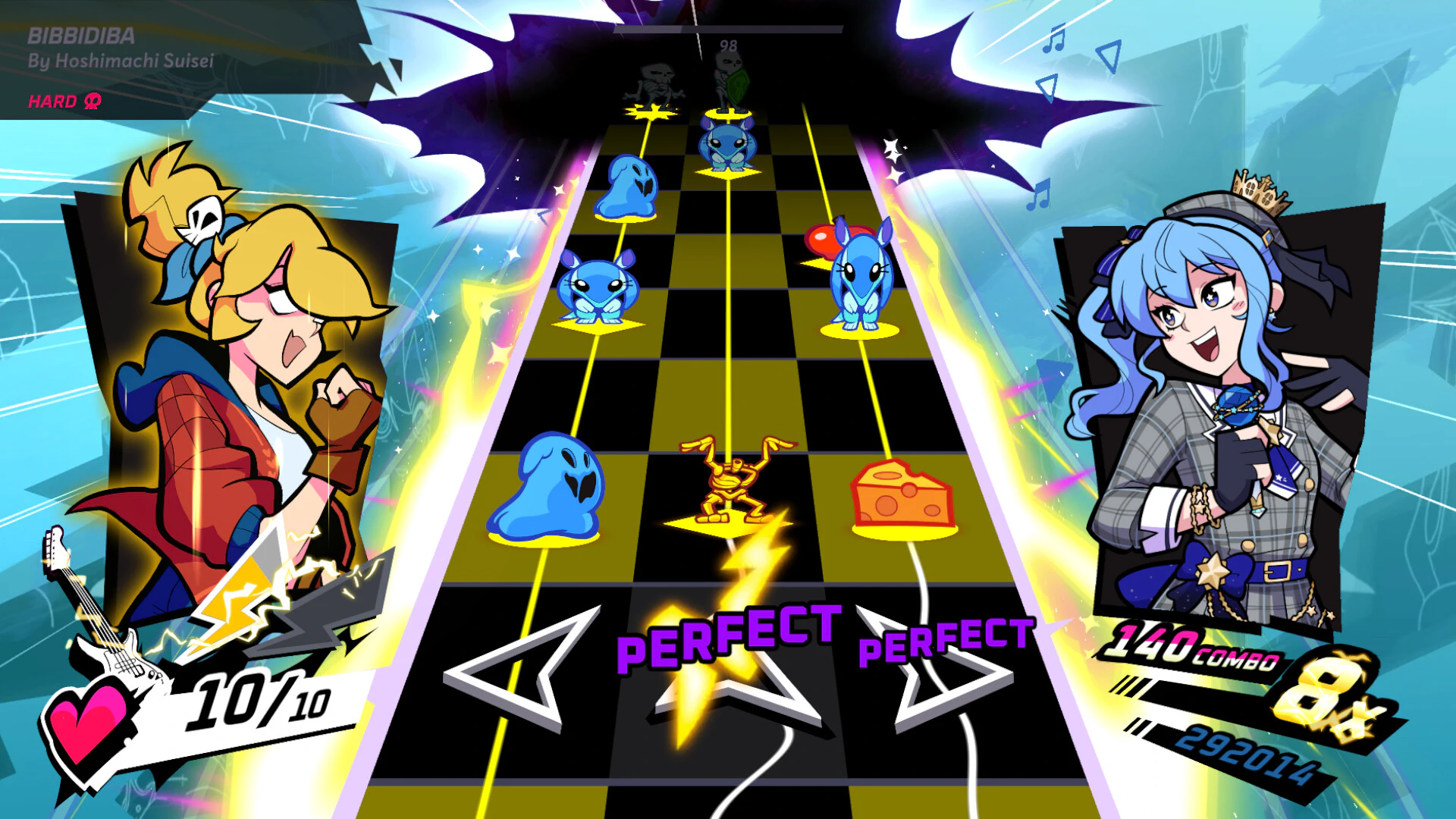
Now that this is my second year writing a list like this, I have the opportunity to go back to last year’s list and see what became of the games my 2024 self was looking forward to. I missed the Dynasty Warriors Origins release due to being busy with so many other games, but it’s coming to Switch 2 next month, so perhaps a new excuse to play it has come knocking. Stray Children, the follow-up to Moon: Remix RPG Adventure released this year, and though it was off to a strong start, I was sidetracked by Kirby Air Riders and haven’t had a chance to get back to it. koROBO is still in development, and although I’m a little hesitant of the decision to make the titular character’s abilities work as single-use “cards” you have to find over and over again, I remain cautiously optimistic it’ll be more Chibi-Robo! and less Chibi-Robo! Zip Lash. Rift of the Necrodancer was very fun, and has been steadily releasing more tracks as DLC. After finishing Tomb Raider I-III Remastered I picked up Tomb Raider IV-VI Remastered, but to be honest I got near the end of IV and gave up. Both Tomb Raider III and Tomb Raider IV start great but make increasingly baffling design decisions as they go on until I finally want to quit. Who knows if I’ll ever get to V and VI, since I often hear those are even worse. Fatal Fury: City of the Wolves released, but I passed on it after learning of SNK’s dubious ties to the Saudi royal family (and the inclusion of Cristiano Ronaldo and Salvatore Ganacci as fighters), though supposedly the game is actually pretty good. Although I liked the alpha of 2XKO, I just haven’t felt motivated to try the open beta. Ghost of Yōtei is another release that snuck up on me, so I haven’t played it yet. The Rabbit & Steel expansion is still in development, but it’s shaping up to be a good one. Honkai: Star Rail’s Amphoreus arc had a slow start but a wild finish. I enjoyed it but I didn’t feel it was worth a special mention this year.
Games I’m looking forward to
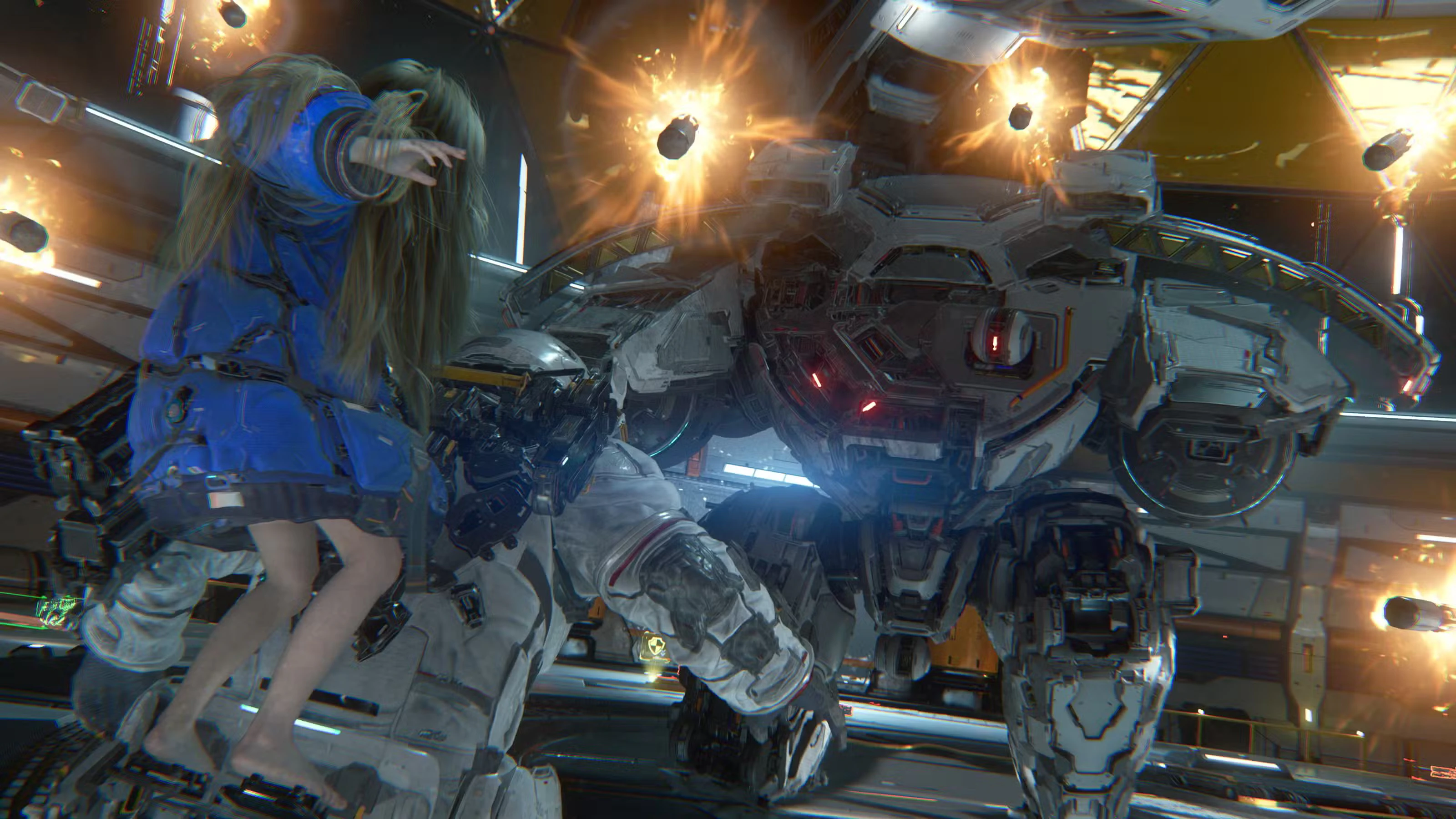
Though 2025 was a loaded year for releases, there are always more games to look forward to on the horizon. Arknights: Endfield, a spin-off of the tower defense gacha game Arknights, seems to be a crazy factory sim and base builder? But also you shoot stuff? Seems to be pretty high-budget (which makes sense since Arknights has been printing money since 2019) and since it’s a free-to-play title, I might as well check it out. Resident Evil: Requiem, A.K.A. RE9, is coming in February. The marketing surrounding the game has frankly left me confused, and it keeps insisting it’s the “next evolution” for the franchise, so it seems to represent a departure from the style of RE7 and RE8. Still, Capcom has been on an absolute tear since Resident Evil 7 (including the remakes of RE2 and RE4), so I’ll trust their vision and set my expectations high. Tomb Raider: Legacy of Atlantis is set to revive Lara Croft’s questionable brand of archeology, and since it’s a remake of the first Tomb Raider (my favorite of the four I’ve played), I hope it can deliver the fun aspects of classic Tomb Raider with some modern polish. Capcom’s Pragmata, their first new international IP since 2012, seems like a promising sci-fi adventure, and I’m hoping being a big space man with a tiny android daughter will make for an endearing story. From a hardware perspective, Valve’s announcement of their new VR headset, the Steam Frame, came as a surprise. VR has felt like it’s been on the decline for a number of years, but I’m curious to see if Valve’s new headset will fix some of the major issues I’ve had with VR (mostly cables) and also revitalize the medium. I really enjoyed some of the VR games I’ve played in the past (Robo Recall, House of the Dying Sun, and Beat Saber, to name a few), so I know it’s still a medium with a lot of untapped potential.
And thus, another year-in-review has come to a close. As predicted, 2025 was a great year for games (including my own). If 2025 taught me anything, it’s that great games often drop seemingly out of nowhere. It’s impossible to fully predict what games will capture my attention in 2026, but that just makes going into a new year even more exciting. Who knows what I’ll be writing about in next year’s list! Until then, have a safe and fun 2026!